
When Miles prepares to leave home for university, an unexpected visitor arrives – his estranged older brother, Reggie. When he offers to drive Miles up to university in his rickety old campervan, old tensions and lingering grief take simple journey cause it to spiral into a chaotic adventure
Project Category
Narrative
Year

Little Big Brother remains as one of my favourite adventures I have had while shooting a project. The locations, the talent and friendliness of the crew and the story all tied together to create a truly amazing experience, yet it is still the most stressful shoot I have ever undertaken.
Directed by my friend Max Meadows, and written for us by Ellis Waynforth, LBB was Max' university graduation project, and for over a year we had been saying that for one of the grad films we were on, we wanted to go big. We wanted to do something outlandish. Something which would challenge us to our limits at the time, but also allow us to make something we were genuinely proud of. Luckily, Lily Allmark had agreed to produce the film, so at the very least, we knew that our logistical issues would be solved by the best problem-solver we knew.
The Car
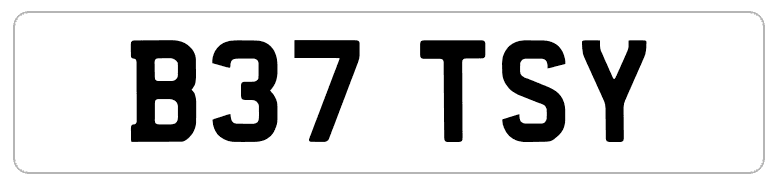
The previous year I had bought a VW T2 bay-window campervan which Max and I, at the time, casually remarked would be great for a road-trip film. The one we ended up filming with wasn't actually mine, though. As mine was being reconditioned, our filming car, 'Betsy', was provided by Lily's long-time friend Amelia Blee. A casual nod to the car's real life name can even be seen on the car's fictional plates we had made…
The Story
After talking with Lily, we decided to partner up with Ellis Waynforth: a graduate screenwriter who had been in a few classes with us at university. We knew could write us a fun comedy due not only to his talent, but also to his love of Richard Curtis and many '80s British sitcoms like Blackadder (the latter made him a lot more trustworthy to me specifically).
After the script was written, we ran it by our university, who immediately asked us how on earth we were going to shoot the film when we weren't allowed to film moving vehicles. This is where the challenges started, but as myself, Max and Lily love solving puzzles like this, we immediately set to work finding a solution.
Green Screen
After some research, Max and I chose to shoot the parts of the production involving the campervan in front of a green screen. This might sound like an obvious choice, but I had to spend a few days making sure I could definitely handle the keying of the green-screen myself before we chose to do this, as we didn't have the money for a VFX artist. We chose a wrap-around studio near Dartford as the ideal place, and after my gaffer, Matu Harvey, got to work on lighting the scene, we ended up with some very good plates to work with in post.
Cinematographic Choices
We had chosen to shoot the film using the Sony FX6, as we had 2 at our disposal, allowing us to do multi-cam shooting for some scenes where we were pressed for time (spoiler alert: there were a lot). To add to the complexity, however, I had put my proverbial foot in my mouth by suggesting we shoot in anamorphic.
Now, yes, it was 100% worth it. The epic, road-trip feel that Max and I were looking for was definitely enhanced thanks to these vintage looking Blazar Remuses. I still stand by this creative choice, as does Max, but it didn't come without issues. The inability to shoot in open-gate on the FX6, making accurate monitoring an absolute pain, and the infuriating minimum focus distance of the lenses were our main gripes, but my god did we forget all of that when we started monitoring the footage.

Monitoring
This was another issue. For starters, I was behind Camera A, so I wouldn't be able to monitor Camera B, and for two, Max would need a way to monitor both cameras on the one screen our university provided. Help, however, was at hand thanks to a contraption I had made a few months earlier in my spare-time…
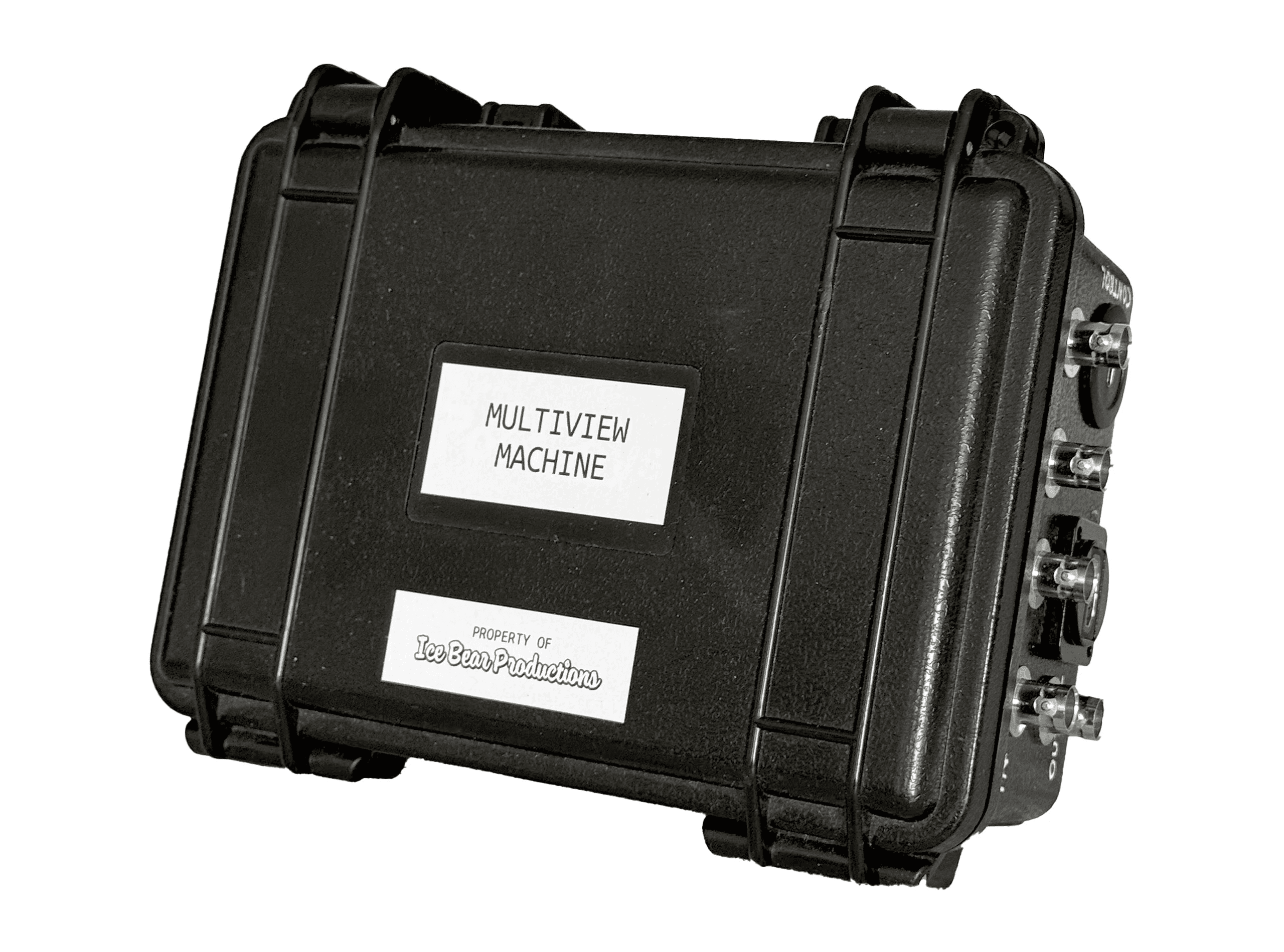
The Multiview-Machine was a tool I had MacGyver'd together for fun, consisting of a Blackmagic Multiview which I had stuck into a small flight case. I extended all of it's connectors to the outside of the case to make it easier to use, and wired it into a V-Lock battery plate so it wouldn't be tied to AC power. The device was effectively created so I could do multi-cam monitoring without lugging around a load of cables and having them sprayed all across the floor. Did it look like a fire hazard? Yes. Was it? No. Did it work? Absolutely. Did it break after filming due to it being battered during the process, requiring me to create version 2? Yes, but that's a story for another time.
Solving my issue was surprisingly easy by comparison. I just attached my phone to the top handle of my FX6 using a K&F Magsafe adapter, and tuned into the feed using Monitor & Control.
Day-for-Night
The day we had to shoot the interior scenes in Miles' house will forever remain as one of the most stressful days I have ever had. Our main problem was we had a lot of scenes and shots to get in just a day-and-a-half, and almost all of them had to be done by simulating night during the day.
Our house location had huge floor-to-ceiling windows we had to cover up, and we didn't have time to do a pre-light the previous day. Myself and the entire camera / grip team worked like maniacs to get the blackout curtains up, and we really struggled to keep them there without the wind blowing them off, or the tape losing its grip on the windows.
We ended up having to be extremely creative with how we shot those scenes so as to not get any reflections or catch a glimpse of the small gaps in the fabric, but we managed it in the end.
VFXing
Due to our budget being very low for this project, I undertook the task of doing the green-screen VFX myself. I actually rather enjoyed it, and it taught me a great deal about the process of keying and masking, as well as the proper way to pass off files to a VFX artist when working as an editor (even if I was just passing the file off to myself). It also taught me that my MacBook Pro sometimes deserves a raise because I'm fairly certain the temperature of it while rendering some of those plates in 4444 Alpha could've warmed up the lakes of hell.
Epilogue
There are so many things I haven't mentioned here. The low budget mixed with the high number of expensive locations. The fact that our low budget meant I had to wear a lot of hats during the process. The extremely short post-production timeline of just 3 weeks before we had to submit it for our graduation screening. The list goes on, yet somehow, despite all the complaining, LBB had and continues to have this strange effect on me where I would do it all again in a heartbeat if anyone asked me to.
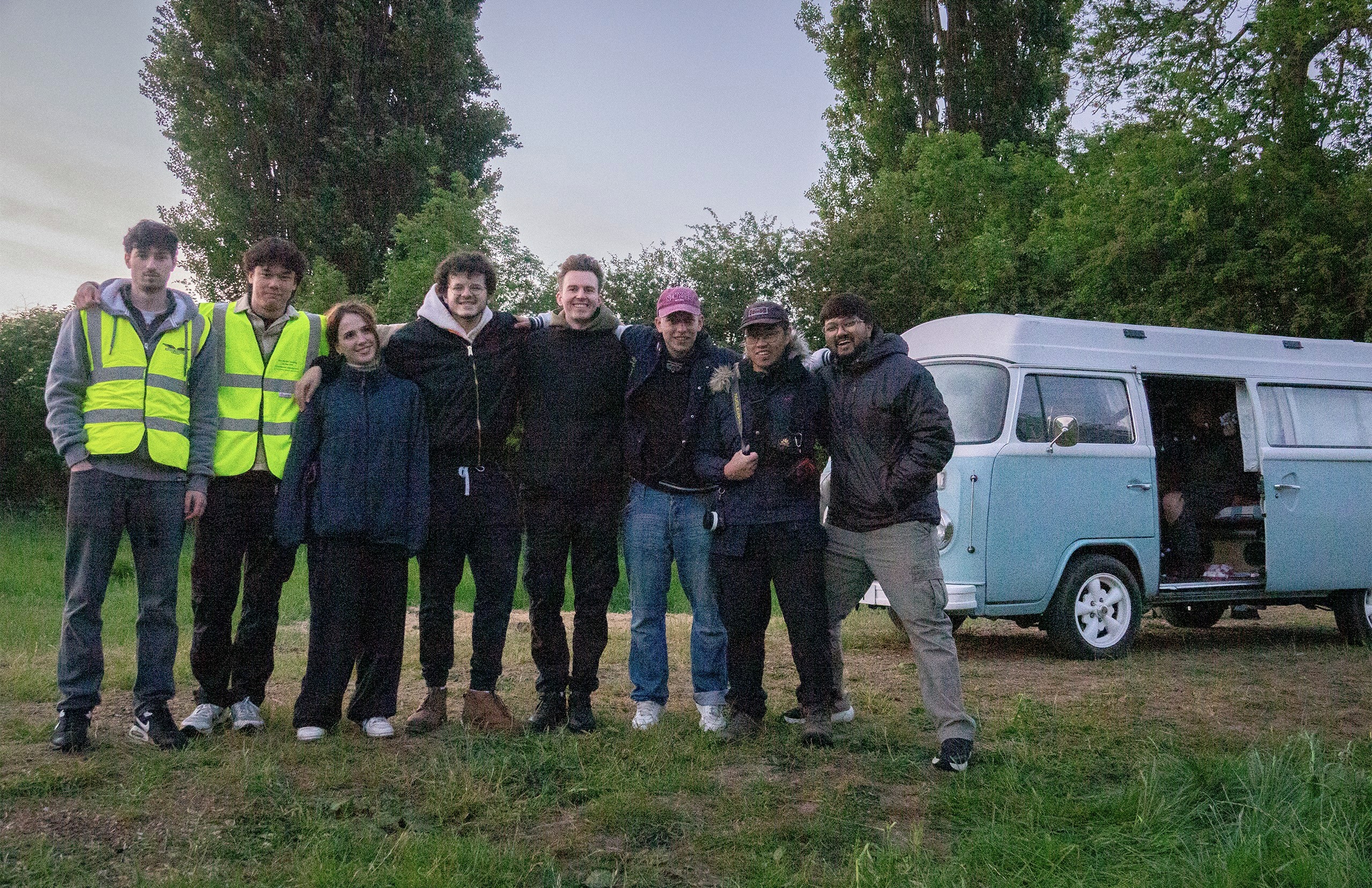
The opportunity to work with a crew so dedicated and friendly to one another was genuinely amazing, and the result, as proven by it's positive reception at our graduation screening at The Westfield Vue, proved to us that we had achieved what we set out to do: make the best graduation project we could, while also challenging ourselves to within an inch of our lives.


Technical Specs
Camera
Sony FX6
Lenses
Blazar Remus Anamorphics
Acquisition
XAVC-I
Aspect Ratio
2.4:1
Runtime
23 Minutes
Key Crew
Producer
Lily Allmark
Director
Max Meadows
DOP
Chris Tailor
Editor
Chris Tailor
Colourist
Chris Tailor